
Getting your backlinks indexed is one of the most overlooked yet essential parts of SEO. Without indexing, even the strongest backlinks can’t pass authority to your site.
In this guide, you’ll learn how to index backlinks step by step — using safe, effective, and SEO-friendly methods that actually work.
What is Backlink Indexing and Why It Matters
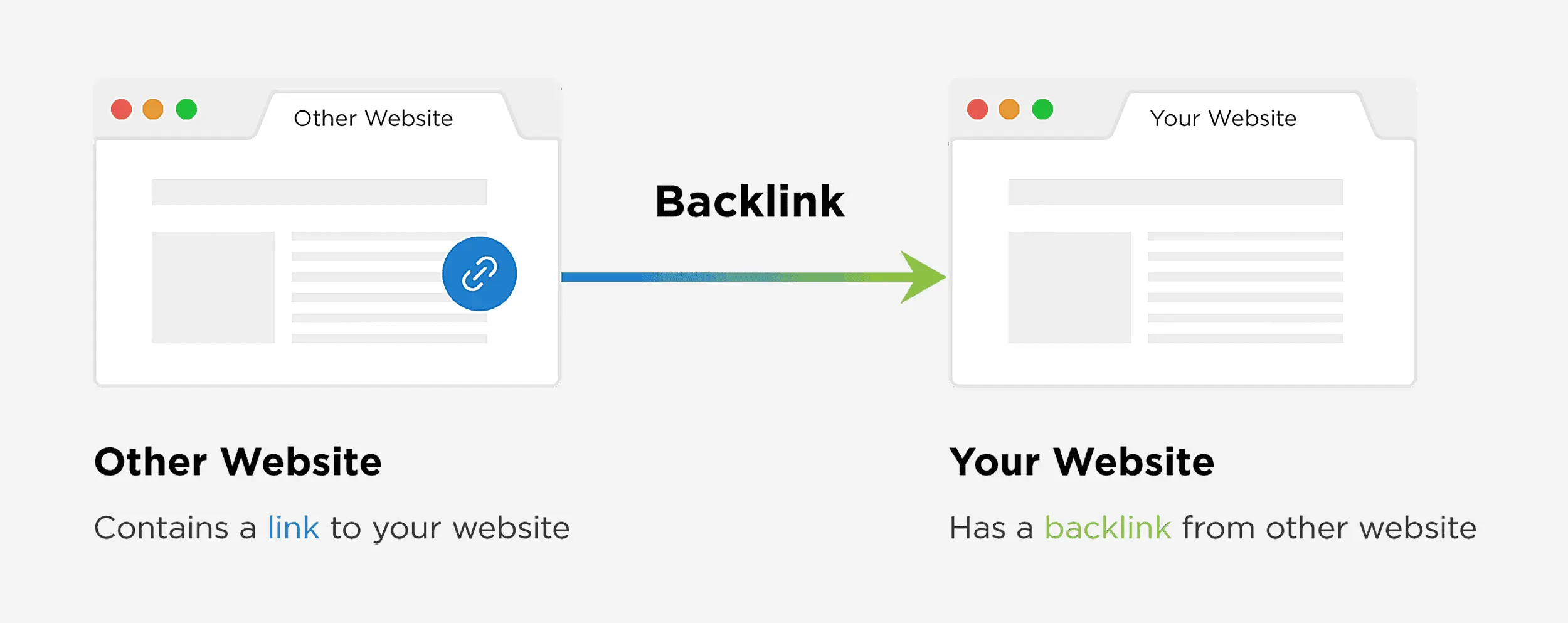
Backlink indexing means ensuring that the web pages linking to your website are discovered, crawled, and stored in Google’s index.
If a backlink isn’t indexed, search engines don’t recognize it — meaning it won’t help your site rank better.
Why backlink indexing is important:
Indexed backlinks help pass link equity (authority).
They improve your site’s crawl rate and visibility.
They signal credibility and trust to search engines.
In short — unindexed backlinks = no SEO value.
Step-by-Step: How to Index Backlinks Properly
Follow these seven professional SEO steps to index your backlinks effectively and safely.
Step 1: Build High-Quality, Crawlable Backlinks
Before indexing, make sure your backlinks are actually worth indexing.
Use standard
<a href>links (not JS or hidden links).Get links from websites that are already indexed by Google.
Avoid spammy or auto-generated backlinks.
Focus on relevance — backlinks from your niche index faster.
💡 Pro Tip: High-authority websites are crawled frequently, so backlinks from them get indexed much faster.
Step 2: Help Search Engines Discover the Backlink Page
You can help Google find the page where your backlink is placed.
Link to that backlink page from your own website or blog.
Use internal links from already indexed posts to create discovery paths.
Add the backlink page to your sitemap or RSS feed if possible.
This process sends crawl signals to Google and increases the chance of the backlink page being indexed.
Step 3: Submit Backlink URLs for Indexing
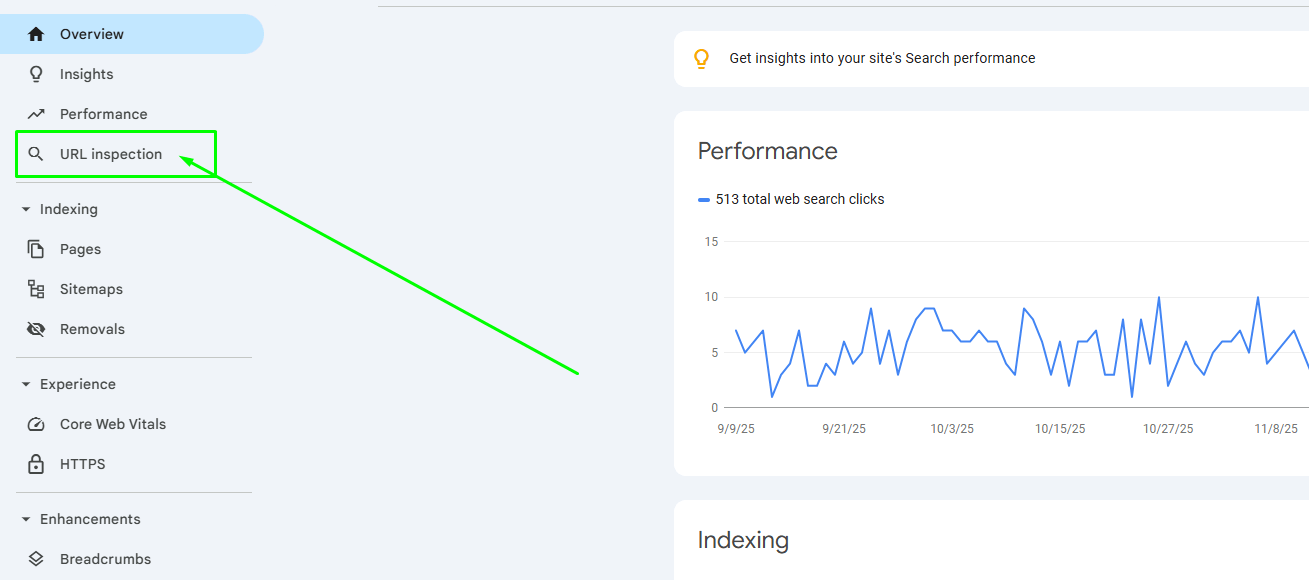
Use Google Search Console (GSC) for manual submission.
Go to URL Inspection Tool in GSC.
Enter the URL that contains your backlink.
Click Request Indexing.
If you don’t own the backlink page, create a short post on your site linking to it, then submit your page — crawlers will follow that link to the backlink page.
Step 4: Use Social Signals to Boost Crawling
Social media activity helps search engines discover new pages faster.
Share backlink URLs on Twitter (X), LinkedIn, and Facebook.
Use Pinterest or Reddit to share pages with backlinks.
Add backlink URLs to social bookmarking or content-sharing sites.
These social signals help crawlers find and re-crawl the backlink pages more quickly.
Step 5: Use Indexing Tools (Optional but Useful)
There are online tools that claim to index backlinks quickly. Examples include:
IndexMeNow
Omega Indexer
OneHourIndexing
⚠️ Important: Use these tools with caution.
Some rely on temporary redirects or spammy pinging, which can be risky for long-term SEO. Always prefer manual and organic indexing first.
Step 6: Monitor Backlink Indexing Status
After a few days, check if your backlinks are indexed:
Use Google Search:
site:example.com/your-backlink-pageCheck in Google Search Console (if you own the domain).
Use backlink tools like Ahrefs, SEMrush, or Ubersuggest to verify index status.
If the page isn’t indexed after 10–15 days, try linking to it again or submitting it from another indexed post.
Step 7: Maintain SEO Best Practices
Long-term success in backlink indexing comes from consistent quality.
Keep your backlink sources clean and authoritative.
Avoid link farms, PBNs, or automated link-building systems.
Update your content regularly to keep it crawl-friendly.
Maintain a healthy internal linking structure on your own site.
Common Mistakes to Avoid
| Mistake | Why It’s a Problem | Correct Approach |
|---|---|---|
| Backlinks on non-indexed pages | Google never sees your link | Choose sites with active indexing |
| JS or hidden links | Crawlers can’t follow | Use standard <a href> links |
| Overusing indexer tools | Can cause penalties | Rely on natural indexing methods |
| Ignoring low-quality sites | Poor link reputation | Focus on niche-relevant, high-DA sites |
Recommended Tools for Backlink Indexing
Here are some trusted tools and platforms that help make backlink indexing easier:
Google Search Console – manual submission and index reports
Ahrefs / SEMrush – backlink index check and tracking
Google Ping / IndexNow – automatic indexing alerts
RSS Feed Generators – for regular crawl signals
Social platforms – to share backlink URLs publicly
How Long Does Backlink Indexing Take?
Indexing time depends on:
Domain authority of the linking site
Crawl frequency
Link type (follow/nofollow)
Content quality
Most quality backlinks get indexed within 5–15 days.
However, for low-traffic or new sites, it can take longer.
Conclusion
Knowing how to index backlinks is a must-have skill for every SEO expert.
Instead of using spammy shortcuts, focus on building high-quality backlinks, using Google’s tools, and creating crawlable signals through sitemaps, internal linking, and social shares.
With patience and consistency, your backlinks will be indexed naturally and start passing real ranking power to your site.